



Wheatgrass Benefits for Cholesterol & Heart Health
Discover how wheatgrass supports cholesterol levels and heart health. Clinical trials show significant reductions in blood sugar and triglycerides, highlighting wheatgrass as a natural aid for metabolic health.
METABOLIC HEALTH & BLOOD SUGAR
3/10/20262 min read
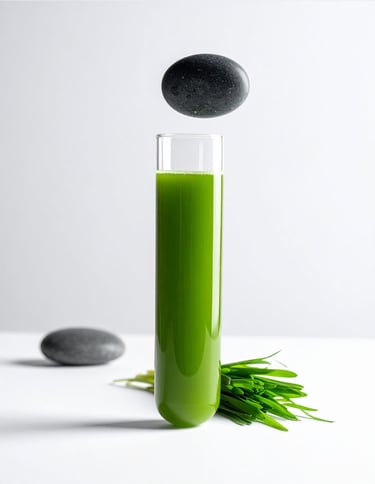
The Lipid Defense: How Wheatgrass Supports Cholesterol and Heart Health
The "Silent" Metabolic Load
While we can feel a sugar crash, we often can't feel the gradual buildup of lipids (fats) in our bloodstream. High levels of triglycerides and LDL cholesterol (the "bad" cholesterol) act as a metabolic drag on the body, thickening the blood and forcing the heart and liver to work harder. Achieving metabolic balance isn't just about weight; it’s about ensuring your blood remains a clean, efficient transport system for nutrients and oxygen.
The Mechanism: Lipid Clearance and Fiber Synergies
Wheatgrass supports the body’s "filtration" system through a process of lipid modulation. It doesn't just block fat; it helps the body process and clear it:
Liver Support: Wheatgrass contains Choline and high levels of chlorophyll, which assist the liver in the detoxification and metabolism of fats. This prevents the liver from becoming "congested" with excess triglycerides.
The "Bile" Effect: Some bioactive compounds in wheatgrass may help in the secretion of bile, which is the body’s primary way of breaking down dietary fats and flushing excess cholesterol out of the system.
Oxidative Protection: High-density lipoproteins (HDL or "good" cholesterol) are easily damaged by oxidative stress. The SOD and Catalase in fresh wheatgrass protect these "good" lipids from oxidizing, ensuring they can perform their job of carrying fat away from the arteries and back to the liver.
The Clinical Evidence: Improving the Lipid Profile
In the same 6-month human clinical trial that tracked blood sugar, researchers also monitored the "lipid profile" of the participants. The results demonstrated that wheatgrass acts as a systemic metabolic balancer.
The Findings:
Total Cholesterol Reduction: Participants saw a significant decrease in total circulating cholesterol levels.
Triglyceride Drop: There was a marked reduction in triglycerides, which are the primary fats stored in the blood for energy (and often elevated in those with high-sugar diets).
VLDL Levels: The study noted a drop in Very Low-Density Lipoproteins (VLDL), which are the most dangerous types of fat for cardiovascular health.
Managing Your "Metabolic Health"
For metabolic balance, consistency is more important than quantity. A daily 30ml shot provides the ongoing enzymatic support the liver needs to stay ahead of the metabolic load of a modern diet. It acts as a daily "maintenance" tool for your internal filtration system.
Scientific References
The Study: Effect of supplementation of wheat grass juice to subjects with specific health issues (Diabetes and Obesity). Authors: Premakumari, S. & Haripriya, S. Published In: International Journal of Food and Nutritional Sciences (2010) Access via: Google Scholar
The Study: Hypolipidaemic effect of fresh Triticum aestivum (wheat grass) juice in hypercholesterolaemic rats. (Mechanistic validation). Authors: Kothari, S., et al. Published In: Acta Poloniae Pharmaceutica (2011) Access via: https://pubmed.ncbi.nlm.nih.gov/21485304/
Contact
hola@elchupitosano.com
+358 400 772 999
El Chupito Sano © 2026. All rights reserved.

Legal Disclaimer: This product is a food supplement (zumo vegetal). Not intended to diagnose or cure disease. If you have a wheat allergy, consult your doctor (though wheatgrass is gluten-free).